Aerospace industry
Wire solutions engineered for Aerospace
In the demanding aerospace and aviation sectors, even the smallest component can have critical implications. Pelican Wire understands this imperative, offering precision-engineered wire solutions tailored to meet the rigorous standards of these industries.
- Fine gauge
- High temperature
- Custom cable
- Prototype → production

What are you trying to solve?
Engineering-first support
Bring us the application, not just a part number
Tell us the conditions your Aerospace application runs in: temperature, resistance, gauge, weight, flex life, shielding, insulation and manufacturability. Our engineers help you build the right wire around them.
- Need a smaller OD or lower weight?
- Need precise resistance per foot?
- Need better flex performance?
- Need higher-temperature insulation?
- Need sensing and power in one cable?
- Need prototype quantities first?
Short form
Tell us what you’re designing
A few details are enough to start. Attach a drawing or spec if you have one.
Thanks, we have it.
An engineer or sales specialist will review your application and follow up.
An engineer or sales specialist will review your application and follow up.
Aerospace · Capabilities
Build the right wire around the environment
Start with the capability closest to your application.
-
Resistance & heating wire
Custom resistance values, heating applications and constructions for demanding thermal environments.
-
Thermocouple & sensing
Temperature-measurement wire and cable designed around accuracy, gauge and insulation requirements.
-
Fine-gauge custom cable
Compact constructions engineered to reduce weight, save routing space and combine functions.
-
Prototype to production
Engineering collaboration, material selection and iterative development before scalable manufacturing.
-
ISO 9001:2015
Certified quality system
-
ISO/IEC 17025
Accredited testing and calibration
-
Fine-gauge expertise
Specialized capability for small constructions
-
Rapid prototyping
Short runs to prove a design
Aerospace · Resources
Featured Aerospace resources
Help us help you. We offer many useful and informative resources to keep your project on track. If you can’t find what you need, please contact us and one of our knowledgeable professionals would be happy to help.
-
Aerospace
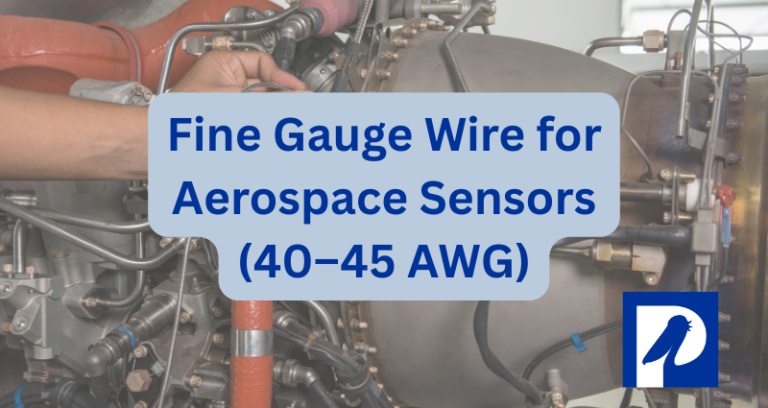
Fine Gauge Wire for Aerospace Sensors (40–45 AWG)
The aerospace industry demands components that are not only exceptionally reliable but also incredibly compact and lightweight. As aircraft and spacecraft systems…
-
Aerospace
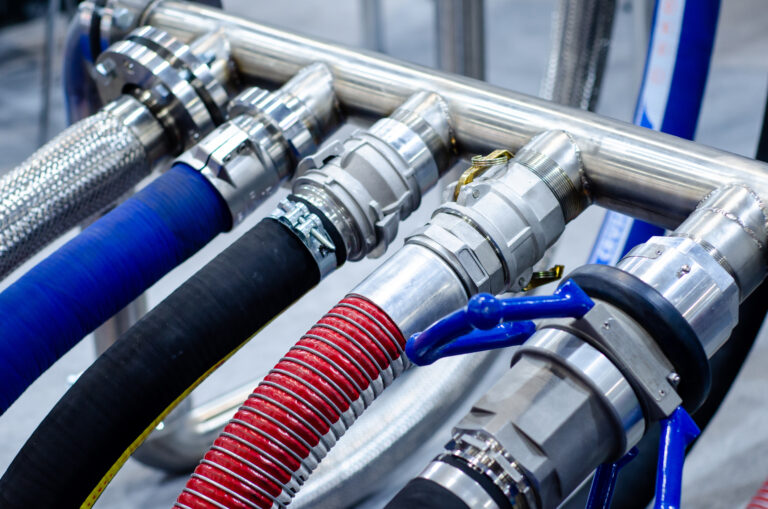
Heating Wire for Heated Hoses: A Deep Dive into Flexibility and Durability
Heated hoses are the unsung heroes of countless industrial processes, ensuring the smooth, temperature-controlled flow of everything from viscous adhesives and food…
-

Aerospace
Stranded vs. Solid Resistance Wire: A Performance Comparison
In the intricate world of electrical and thermal design, the choice of conductor is a foundational decision that can have cascading effects…
All 23 articles
- Design Considerations When Choosing Heating Wires for Industrial Use
- Special-Limits Type K in Fine Gauges: A Repeatable, Scalable Build
- High Temperature Wire: Choosing,Using, and Maintaining It Safely
- Precision Resistance Wire for Aerospace De-Icing Systems
- Thermocouple Wire Type K: Applications, Accuracy & Industry Uses
- Precision Heating Wire for Aircraft & Aerospace Fluid Systems
- Enhancing Control and Reliability: Advanced Wire Solutions for Critical Applications
- High-Temperature Thermocouple Cable for Gas Turbine Monitoring
- High-Resistance Wire for Aircraft: Heated Leading Edge Repair Patches
- High-Precision Resistance Wire for Aerospace Robotics & Motion Control Systems
- Engineering Precision in the Coldest Frontiers
- Pelican Wire to Exhibit at SpaceTech Expo 2025
- High-Precision Resistance Wire for Heated Fluid Delivery Systems
- Precision at Scale: How Temperature Monitoring Solutions are Evolving in Industrial Manufacturing
- The Essential Guide to Uninsulated Wire: Uses, Benefits & Why Pelican Wire is the Best Choice
- Pelican Wire Makes a Strong Case for Reshoring American Manufacturing
- The Crucial Role of Reliable Electrical Components in Modern Industries
- Wires in Aerospace and Aviation: A Comprehensive Study
- Maximize Efficiency with Pelican Wire’s High-Quality K-Type Thermocouple Wire
- Pelican Wire Manufacturing Capabilities
Aerospace · Video
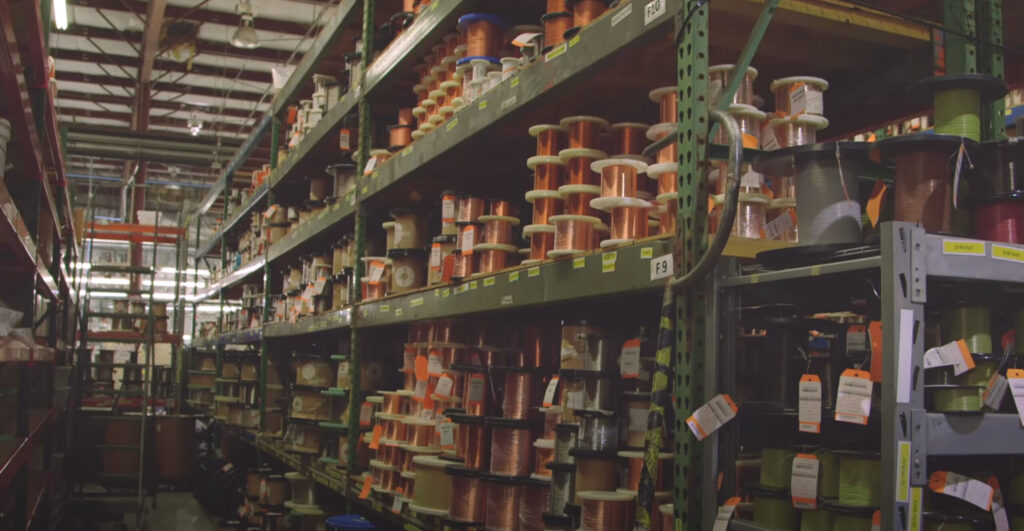
Pelican Wire for Aerospace
Aerospace · FAQ
Answers to common questions
What engineers ask us most about wire for Aerospace applications.
What types of wire are best suited for aerospace applications?
High-temperature, lightweight, and durable wires are essential for aerospace. Materials like nickel-plated copper, thermocouple alloys, and specialized insulations such as FEP, PFA, and fiberglass are commonly used to withstand extreme temperatures and harsh environments while minimizing weight.
How does Pelican Wire ensure the quality and reliability of its aerospace wires?
Pelican Wire adheres to stringent quality control standards, including ISO 9001:2015 and ISO/IEC 17025:2017 accreditation. Our wires are engineered and manufactured to meet the rigorous demands of the aerospace industry, ensuring consistent performance and reliability in critical applications.
What are the common applications of Pelican Wire products in the aerospace industry?
Our wires are used in a variety of aerospace applications, including de-icing systems, temperature sensors, avionics, and in-flight entertainment systems. We provide custom solutions tailored to the specific needs of each application.
What are the advantages of using fluoropolymer insulation in aerospace wiring?
Fluoropolymer insulations like PFA and FEP offer excellent resistance to high temperatures, chemicals, and abrasion, making them ideal for the demanding aerospace environment. They also have a low coefficient of friction, which makes them easier to install in tight spaces.
Show 6 more questions Show fewer questions
What is the difference between thermocouple wire and resistance wire in aerospace?
Thermocouple wire is used for temperature sensing, providing critical feedback for systems like engine monitoring and climate control. Resistance wire is used for heating applications, such as de-icing systems for wings and propellers.
Can Pelican Wire manufacture custom multi-conductor cables for aerospace?
Yes, we specialize in creating custom multi-conductor cables that can consolidate wiring, reduce weight, and improve the overall reliability of your aerospace system. We can combine different wire types and gauges into a single, jacketed cable.
What is the importance of EMI shielding in aerospace cables?
Electromagnetic interference (EMI) can disrupt the sensitive electronic systems in an aircraft. EMI shielding, which we can incorporate into our custom cables, protects against this interference, ensuring the reliable operation of avionics and other critical systems.
How does Pelican Wire support the prototyping and R&D phase of an aerospace project?
We offer small minimum order quantities (MOQs) and rapid prototyping services to support our clients during the research and development phase. Our engineers can work with you to quickly iterate on designs and produce custom samples for testing.
What are the temperature ratings of your high-temperature aerospace wires?
We offer a wide range of high-temperature wires with operating temperatures up to 1200°C (2200°F). The specific temperature rating depends on the conductor and insulation materials used. Our engineers can help you select the right materials for your application.
Does Pelican Wire offer any solutions for space applications?
Yes, we can provide custom wire and cable solutions that are designed to withstand the extreme temperatures, radiation, and vacuum of space. We use specialized materials and manufacturing processes to ensure the reliability of our products in these critical applications.
Next step
Have a wire challenge? Put it in front of our team.
Tell us the application, the environment and the performance you need. We’ll help you choose the right next step: a conversation, a spec review or a quote.
Have a question? Let’s talk.
Talk with a wire expert
Thanks, we have it.
An engineer or sales specialist will review your application and follow up.